

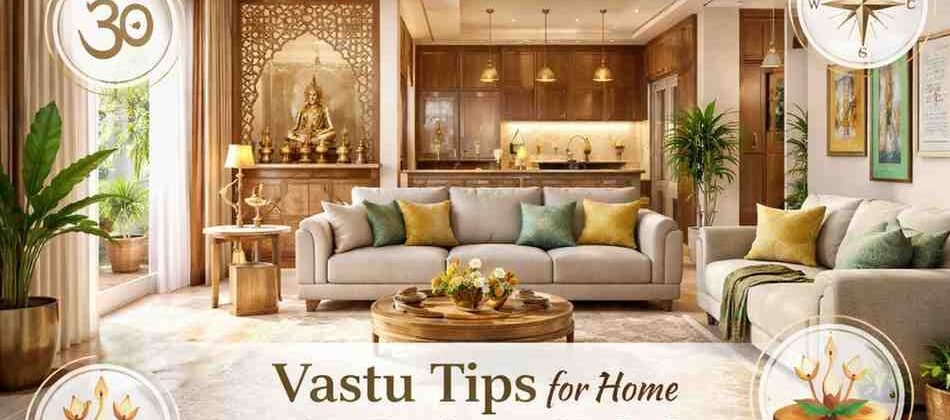
Vastu Tips for Home Interior Design in Vadodara: A Complete Guide for Modern Homes
Designing a home is more than selecting furniture, wall colors, or décor. In India, many homeowners also consider Vastu principles while planning their interiors to create a balanced and harmonious living environment. Vastu Shastra, an ancient architectural science, focuses on the relationship between space, energy, and the natural elements.
When Vastu guidelines are thoughtfully integrated with modern interior design, they can help create spaces that feel comfortable, positive, and well-organized. For homeowners planning a new house or renovation, understanding how Vastu works with interior design can make a significant difference.
In cities like Vadodara, where modern apartments and traditional homes exist side by side, many homeowners now prefer interiors that combine contemporary design with Vastu-friendly layouts. Working with an experienced interior designer in Vadodara can help ensure that both aesthetics and Vastu principles are maintained without compromising functionality.
This guide explores practical Vastu tips that can be applied to different areas of your home while designing modern interiors.
Why Vastu Matters in Modern Interior Design
Vastu Shastra is based on the idea that the placement of rooms, furniture, and elements within a home can influence the flow of positive energy. While modern architecture focuses on design efficiency and aesthetics, Vastu focuses on orientation, balance, and natural energy.
When both approaches are combined, homeowners can achieve interiors that are not only visually appealing but also comfortable and well balanced.
Many professional designers today consider Vastu guidelines during space planning. An experienced interior designer in Vadodara often works closely with homeowners to ensure that layouts, lighting, furniture placement, and décor follow practical design principles while respecting Vastu recommendations.
The goal is not to redesign the entire house but to create small adjustments that support harmony and functionality.
Vastu Tips for Living Room Interior Design
The living room is usually the first space guests see when they enter a home. It is also where families spend time together, making it one of the most important areas in terms of both design and energy flow.
According to Vastu principles, the living room should ideally be located in the north, east, or northeast direction of the home. These directions are associated with natural light and positive energy.
Some important interior design tips include:
- Keep the seating arrangement facing east or north whenever possible.
- Place heavy furniture like sofas against the south or west walls.
- Keep the center of the room relatively open to allow energy circulation.
- Avoid clutter near the main entrance.
- Use warm and welcoming colors like beige, light yellow, or pastel shades.
Lighting also plays a key role in living room interiors. Natural light, combined with layered artificial lighting, helps maintain a bright and inviting atmosphere.
Vastu Tips for Bedroom Interior Design
Bedrooms are meant for rest and relaxation, so maintaining a calm and balanced environment is important. Vastu guidelines mainly focus on the placement of the bed, wardrobe, and mirrors.
Key recommendations include:
- The master bedroom is ideally located in the southwest direction of the house.
- The bed should be positioned so that the head faces south or east while sleeping.
- Avoid placing mirrors directly opposite the bed.
- Keep electronic devices to a minimum to maintain a peaceful environment.
- Use soothing colors such as light blue, pastel green, or soft earth tones.
Modern interior designers often combine these guidelines with contemporary furniture layouts to ensure the room remains spacious, functional, and visually appealing.
Vastu Tips for Kitchen Interior Design
The kitchen represents the fire element, making it one of the most important areas when considering Vastu.
The ideal location for the kitchen is the southeast direction, which is associated with the fire element.
Important kitchen interior tips include:
- Place the cooking stove so that the person cooking faces east.
- Keep the sink and water-related elements in the north or northeast area.
- Avoid placing the stove and sink directly next to each other.
- Use warm colors like orange, yellow, or light red for accents.
- Maintain good ventilation and natural light.
In modern homes, modular kitchens are popular, and experienced designers can easily integrate Vastu-friendly layouts within these contemporary designs.
Best Colors According to Vastu for Home Interiors
Colors have a strong psychological impact and also play an important role in Vastu. Choosing the right color palette can help create a positive atmosphere in different parts of the home.
Some commonly recommended Vastu colors include:
- White and cream: Promote peace and simplicity.
- Light yellow: Associated with positivity and warmth.
- Light green: Represents growth and freshness.
- Light blue: Encourages calmness and relaxation.
- Pastel shades: Help maintain balance without overwhelming the space.
Interior designers often combine these shades with modern textures, materials, and lighting to create stylish interiors that still follow Vastu principles.
Common Vastu Mistakes to Avoid in Home Interior Design
While many homeowners try to follow Vastu, some common mistakes can affect both design and functionality.
These include:
- Overcrowding rooms with furniture.
- Blocking natural light and ventilation.
- Placing mirrors directly facing the main door or bed.
- Keeping broken or unused items inside the house.
- Ignoring proper storage planning.
Interior design is not just about decoration. It involves careful planning of space, furniture placement, lighting, and storage. Consulting a professional best interior designer in Vadodara can help avoid these mistakes while creating a well-designed home.
How Professional Interior Designers in Vadodara Combine Vastu with Modern Design
Many homeowners worry that following Vastu guidelines might limit modern design options. However, experienced designers know how to balance both.
Professional interior designers typically focus on:
- Smart space planning
- Functional furniture placement
- Natural lighting and ventilation
- Balanced color palettes
- Minimal clutter and organized storage
By understanding both traditional Vastu concepts and modern design trends, interior designers can create homes that are practical, elegant, and comfortable for everyday living.
Conclusion
Designing a home that feels welcoming, comfortable, and balanced requires thoughtful planning. While modern interior design focuses on aesthetics and functionality, Vastu principles emphasize harmony and positive energy.
When these two approaches are combined carefully, homeowners can create interiors that are both stylish and meaningful. Small adjustments in furniture placement, color selection, lighting, and layout can make a noticeable difference in how a space feels.
If you are planning to design or renovate your home, working with an experienced interior designer in Vadodara can help you achieve interiors that blend modern style with practical Vastu guidelines.
Frequently Asked Questions
What is Vastu in interior design?
Vastu Shastra is an ancient Indian architectural system that focuses on balancing natural elements and directions in a home. In interior design, it helps guide furniture placement, room layout, colors, and lighting to create a harmonious environment.
Can modern interior design follow Vastu principles?
Yes. Modern interior design can easily incorporate Vastu guidelines through thoughtful planning. Professional interior designers often combine contemporary design elements with Vastu-friendly layouts to create functional and aesthetically pleasing homes.
Which direction is best for the living room according to Vastu?
According to Vastu principles, the living room is ideally located in the north, east, or northeast direction of the house because these directions allow better natural light and positive energy flow.
What is the best sleeping direction according to Vastu?
Sleeping with your head facing south or east is generally recommended according to Vastu guidelines, as it is believed to promote better rest and stability.
Which colors are considered good for Vastu in home interiors?
Light and calming colors are usually recommended. Shades like white, cream, light yellow, pastel green, and light blue are considered suitable for creating a peaceful and balanced home environment.
Why should I hire an interior designer in Vadodara?
Hiring an experienced interior designer helps ensure proper space planning, better design aesthetics, and efficient use of available space. Designers can also integrate modern styles with Vastu guidelines while maintaining functionality and comfort.